This is one of the questions we get asked most, and it makes sense why: if you have only ever studied on one academic calendar, it is easy to assume every university in the world runs on roughly the same one. It does not. The month your semester starts, how long it runs, and even how many terms make up a year change significantly depending on where you are headed, and getting this wrong can throw off your entire application timeline. This guide is meant as a genuine reference: read it once to understand the landscape, then check your specific destination whenever you need the exact dates.
Table of Contents
Category —
Start with the vocabulary
Semester, trimester, quarter, term
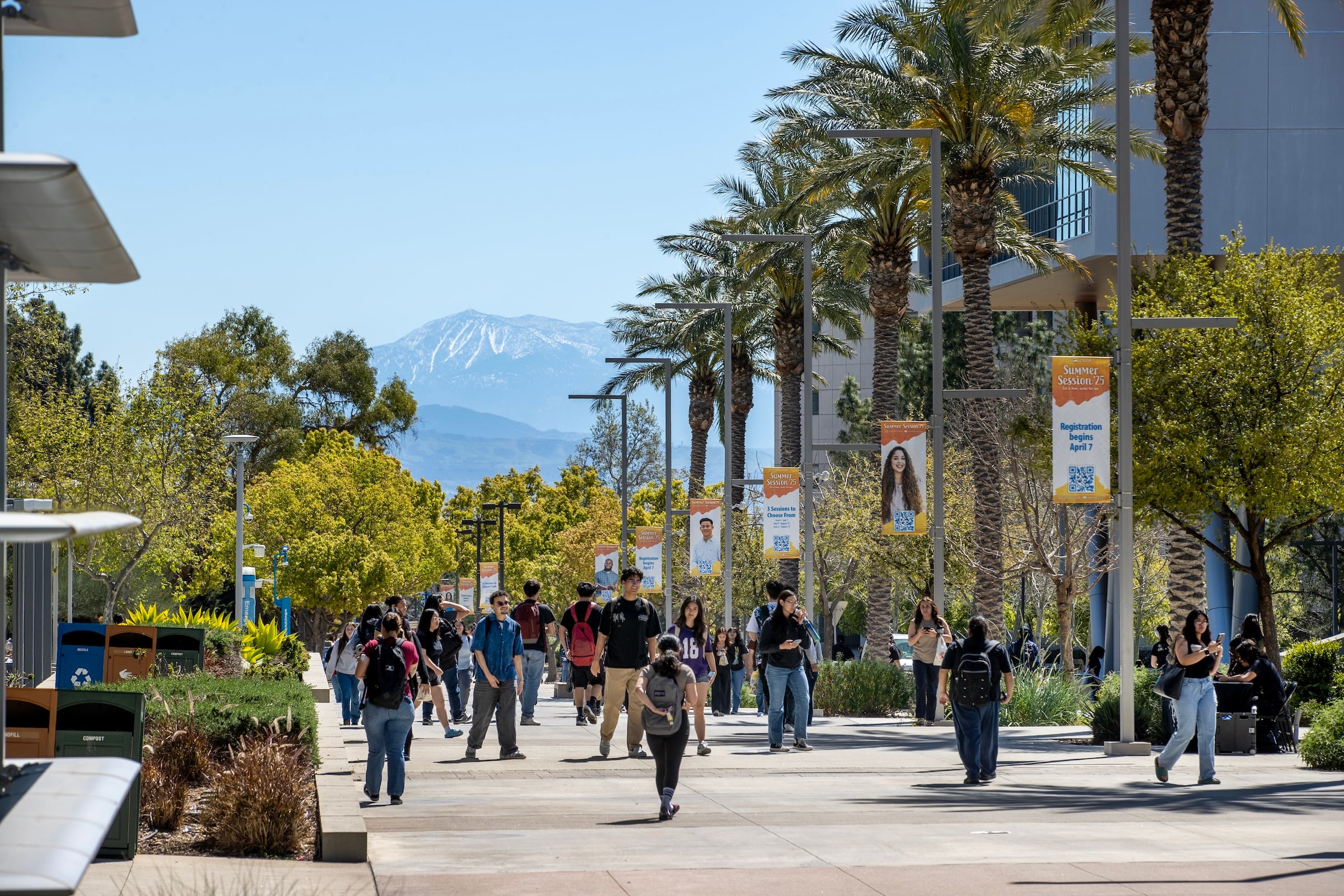
Most of the confusion starts with terminology. A semester system splits the academic year into two teaching periods. A trimester system splits it into three, and a quarter system into four, usually around ten weeks of teaching each, a structure you will find at a handful of US institutions. Term is the loosest word of the four: in British English it can describe any of the above, which is exactly why the United Kingdom gets its own section further down.
| System | Teaching periods a year | Good to know |
|---|---|---|
| Semester | Two | The reference standard worldwide |
| Trimester | Three | Used by some universities in Oceania and Japan |
| Quarter | Four, about ten weeks of teaching each | Found at a handful of US institutions |
| Term | Any of the above | The loosest word, common in British English |
The quick reference table
Treat this as a starting point, not a guarantee. Individual universities can and do deviate from their region’s typical pattern, so always confirm exact dates on the host university’s own website before building an application timeline around them.
| Region | First term | Second term |
|---|---|---|
| North America | August/September to December | January to May |
| Continental Europe | October to February | March/April to July |
| UK (most universities) | September to December | January to May |
| Southern Hemisphere | February/March to June/July | July/August to November/December |
| Japan | April to September | October to March |
| China | September to January/February | February/March to June/July |
| South Korea | March to June | September to December |
| India | July/August to December | January to May/June |
The default: Fall and Spring

As you might notice from our University Finder, Fall and Spring semester classification is the reference standard worldwide, so we chose to adopt it.
North America's version
This is the pattern most students picture by default. Classes begin in late August or early September, run through to December, and are followed by a spring semester from January to May. A small number of institutions run quarters instead, like UC Davis, splitting the year into four shorter terms rather than two longer ones, so it is worth checking which system your specific target university actually uses before assuming.
Continental Europe's version, stretched by exams
Most of continental Europe runs on similar two-semester logic, just shifted later and stretched further than people expect. The winter semester typically starts in October, not September, and while teaching often wraps up in December, the semester itself does not officially end until exams are finished, sometime in January or February. The summer semester then picks up in March or April and runs through June or July. If you only look at when classes stop and not when the semester officially closes on paper, you will misjudge your own return date.
Most UK universities run semesters now

Despite its reputation for an unusual academic calendar, most modern UK universities, including Edinburgh, Glasgow, and Liverpool, now run a fairly standard two-semester year: semester one from September to December, semester two from January to May. For application and planning purposes, this behaves very similarly to the rest of Europe.
The handful of collegiate universities that still run three short terms, Oxford and Cambridge chief among them, are the real exception, and the reason the UK has a reputation for doing things differently. Oxford’s Michaelmas, Hilary, and Trinity terms each run for around eight weeks of formal teaching, with long stretches of independent study expected in between. Eight weeks of formal term is roughly half the length of a standard semester, so if a host institution mentions these term names, budget your expectations, and your workload, accordingly.
The Southern Hemisphere flip
Australia, New Zealand, Brazil, Argentina, and South Africa
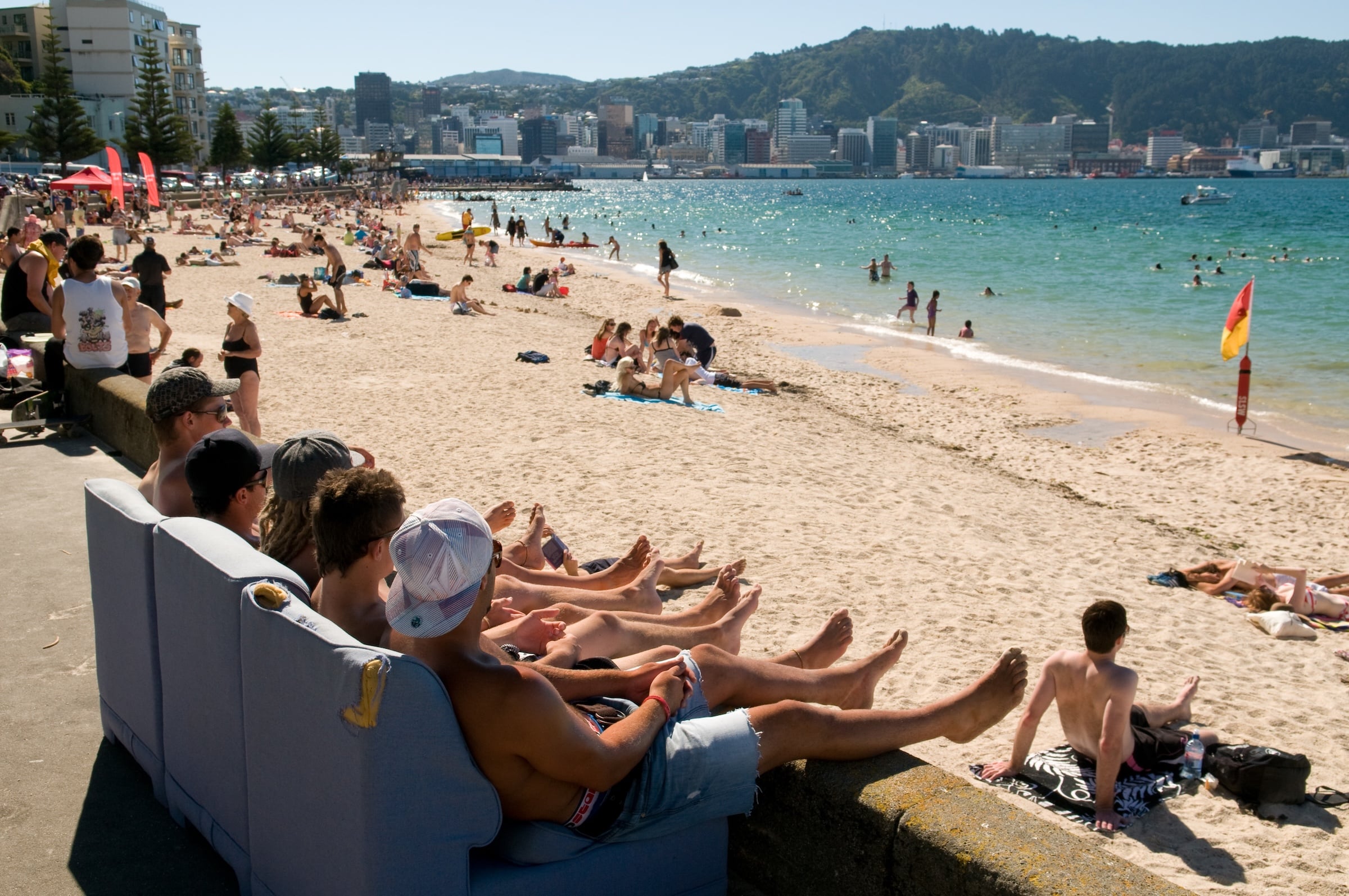
Below the equator, the entire academic year is inverted. The first semester typically starts in February or March and runs to June or July, followed by a second semester from July or August through to November or December. This means the application deadlines for a Southern Hemisphere semester one are usually inverted compared to Northern Hemisphere ones.
Oceania’s academic structure depends on the university, and it has been changing recently. Most of Australia and New Zealand’s universities, including Edith Cowan University, still run the standard two-semester year described above, while other realities like The University of Waikato run the classic regional trimester structure. This is exactly the kind of detail worth double-checking rather than assuming. On wearefreemovers, this is easier than ever: just open up the page of the university you would like to explore, and go to the “Academic Calendar” section. All the information you see on the page has been inserted and validated by the university’s staff, so you have a handy and reliable source of trusted information.
Then, Latin America generally follows the same Southern Hemisphere logic. Brazilian universities typically run from February or March to June or July, then from July or August to November or December. Argentina uses its own term for the same idea, the cuatrimestre, running roughly from late March to July and from August to December.
| Where | Structure | Typical dates |
|---|---|---|
| Australia and New Zealand, most universities | Two semesters | February/March to June/July, then July/August to November/December |
| Australia and New Zealand, some universities | Trimesters | Three terms a year, the classic regional structure |
| Brazil | Two semesters | February/March to June/July, then July/August to November/December |
| Argentina | Cuatrimestre | Late March to July, then August to December |
East Asia runs on its own clock
East Asia has its own peculiar culture and along with it, its own peculiar academic calendar structure. Of course, the culture is something that is attracting strongly students from all over the world, while the academic calendar can be tricky sometimes. So it’s worth noting that you should be aware of the different structures existing in that region compared to your home university academic calendar structure.
Japan starts in April

Japan’s academic year begins in April and ends in March, tied to the same fiscal-year rhythm used across Japanese business and government, and not to the Northern Hemisphere fall start most students expect. Many universities run two semesters, roughly April to September and October to March, though trimester and quarter structures exist too depending on the institution.
China's semester crosses the new year
Chinese universities generally start the fall semester in early September and run it all the way into late January, before a spring semester begins in late February or early March and continues to June or July. The exact winter break dates shift every year around Chinese New Year, which follows the lunar calendar rather than a fixed date.
South Korea starts in March

South Korea’s academic year opens in March rather than September, with a first semester running to around June, and a second semester from September to December. This is one of the more common sources of confusion for students used to a Northern Hemisphere calendar, since a “spring semester” abroad in Korea actually falls at the very start of the academic year, not the middle of it.
And what about the Middle East?

Many universities across the Middle East and North Africa follow a Northern Hemisphere-style September or October start, but the rhythm can shift around religious observances such as Ramadan, so this is a region where checking the specific institution matters more than usual.
Then, talking about India, most of their universities open their academic year in July, sometimes August, running what is often labelled the odd semester through to December, followed by the even semester from January to May or June.
Why this actually matters for your application
Application deadlines are built backward from the semester start date. A Southern Hemisphere or Japanese destination will therefore ask you to apply on a completely different timeline than a typical European or North American one. This is exactly the kind of detail we track for you as part of the application process, but it is worth understanding the logic yourself too, especially if you are comparing destinations on different calendars.
Because home and host calendars rarely match exactly, you may find yourself leaving before your home semester technically ends, or coming back before the next one starts. Neither is usually a problem on its own, but it is worth raising early with your home university, particularly if it affects how your credits get recognized once you return.
Ready to go abroad?
Start your free mover semester journey on wearefreemovers
Written by

Fabio Pellini
Co-Founder at wearefreemovers
Ready to go abroad?
Submit your application through wearefreemovers
Apply to high-quality, freemover vetted universities through one platform.
