Between the end of the fall semester and the start of spring, many universities slow down for a few weeks. A winter school turns that gap into an international experience: one to four weeks at a university abroad, usually with credits or a certificate, without putting your degree on hold. Applications for January and February programs often close in October and November, so now is the time to compare, and on wearefreemovers you can apply to several winter schools with one profile.
Table of Contents
Category —
What it is
A few weeks abroad around one theme
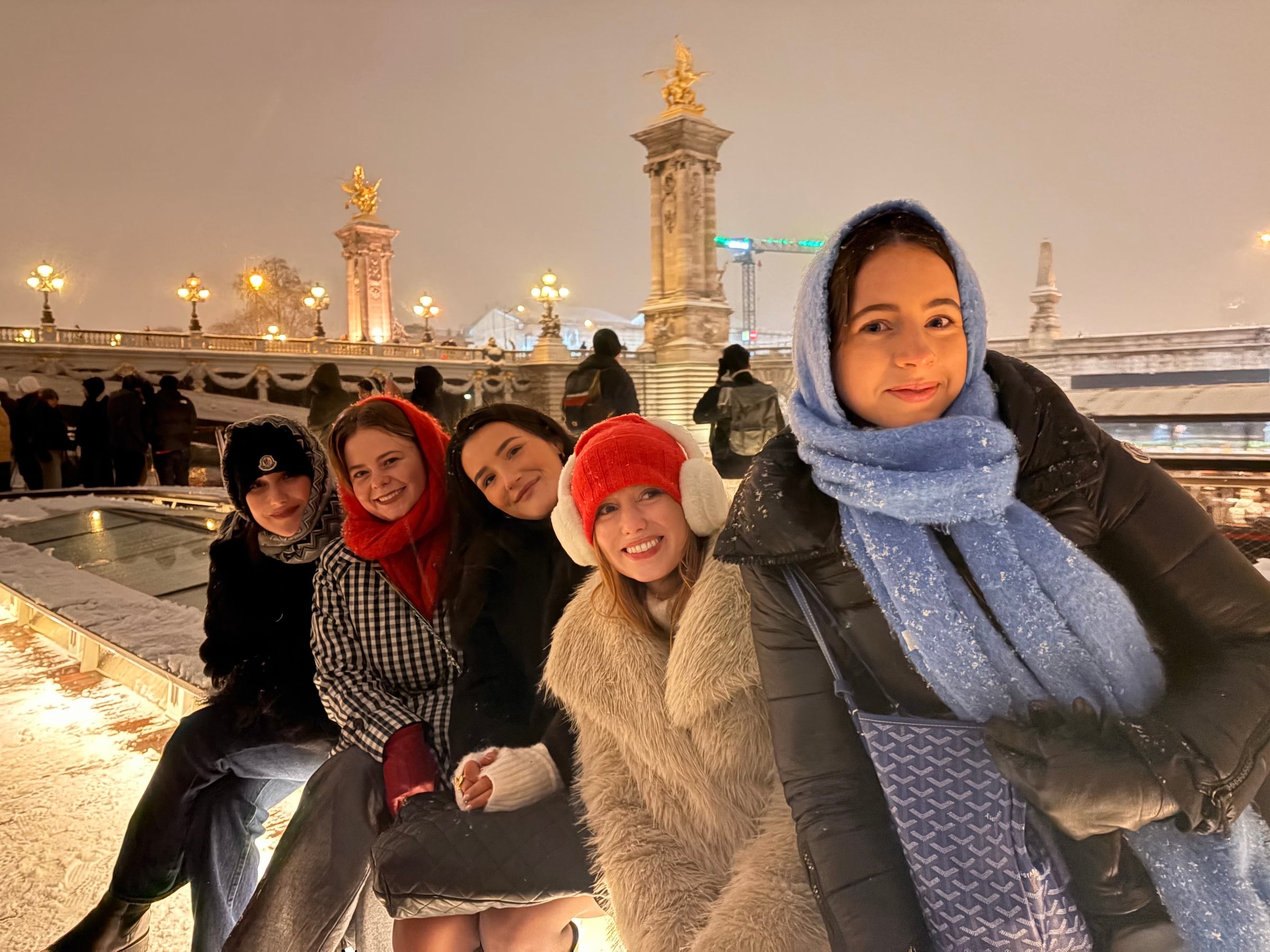
A winter school is a short, intensive program at a foreign university, usually one to four weeks in January or February. It is built around one theme: a business topic, a field like artificial intelligence or sustainability, or a language and its culture. Classes are intensive, often every day, and taught in English at most international programs. Around them, the host university usually organizes welcome events, company visits, trips and time with the other participants, and at the end you receive credits or a certificate. The group is part of the value: winter schools bring together students from many countries, which makes them one of the fastest ways to build an international network while you are still studying.
Winter, summer or semester?
All three take you abroad, but they fit different plans. A winter school lasts one to four weeks in January and February and fits the break between semesters. A summer school runs two to six weeks between June and August and often earns more credits, because the programs tend to be longer. A semester abroad lasts four to six months, earns a full semester of credits and replaces a term at home. The winter school is the lightest commitment of the three, so for many students it is a test run: a few weeks to find out if they want to go back for a full semester. If that is you, our guide to what a free mover is explains how to organize a semester at any university that accepts independent students.
| Format | Length and timing | Credits |
|---|---|---|
| Winter school | 1 to 4 weeks, January and February | A few credits or a certificate |
| Summer school | 2 to 6 weeks, June to August | Often more credits |
| Semester abroad | 4 to 6 months, fall or spring | A full semester of credits |
In the south, January is summer
In Australia, New Zealand, South Africa and South America, January and February are summer, and universities there run summer schools exactly when students in Europe and North America are on winter break. Many universities in East Asia, including in South Korea, also run winter sessions in the same weeks. So when you search, do not stop at the words “winter school”: a summer school in the southern hemisphere fits the same calendar, with the beach included.
How to choose
Match the topic to your degree
Start with the theme. A winter school helps your degree only if the topic connects to it, so look for a subject you can explain to your home university in one sentence. Then check the level (bachelor’s, master’s or both), the language of instruction and the location: January is cold in Northern Europe and East Asia and hot in the southern hemisphere, which changes what you pack and what you do after class. Each university page on wearefreemovers lists its programs and the subjects it teaches, so you can see what fits before you apply.
Check what you take home
Many winter schools award ECTS credits, usually a few, depending on the length of the program, and others give only a certificate of attendance. If you want the credits to count toward your degree, ask your home university before you apply if it recognizes credits from short programs, and how. Then check that the program issues a transcript with grades and credits, not only a certificate. If your home university uses a different credit system, use our credit converter to see what the program is worth at home, and read our credit recognition guide to see how course approval works.
⚠️ Disclaimer: Your home university decides if and how credits from a short program count toward your degree. If that’s important to you, get its answer before you apply.
Check the dates against your calendar
“Between semesters” depends on your university. In many European systems the fall exam period runs through January and the break only starts in February, and in the US spring classes often start in mid-January. Compare the program dates with your exams, resits and the first day of spring classes, and leave room for travel days on both ends. Overlaps are easy to avoid if you check early.
Read what the fee includes
The program fee covers the courses and usually part of the activities. Many programs price registration, housing, local transport and excursions separately, and some offer an early-bird discount, so compare the total and not only the headline fee. There is no application fee on wearefreemovers, but a program may list its own registration fee as part of the price. For a few weeks abroad the flight is a bigger share of the budget than it is for a semester, so book it once you have your admission letter. Some home universities also offer small grants for short programs, so ask your international office.
When to apply
Earlier than you think

Winter schools recruit in the fall, and many close applications in October or November. Places are limited, and some programs admit students on a rolling basis, so the last weeks before a deadline are often already full. If you are reading this in the fall, start comparing programs now: your home university may need to approve the program first, and a visa, if you need one, takes time. On wearefreemovers a prepared student can realistically go from first application to admission letter in under two weeks, so a program that closes soon is still within reach. Each university page lists the start date, end date and application deadline of every program.
Visa and insurance
A few weeks, still some paperwork
For short stays, some nationalities need no visa and others do. The rules depend on your passport and the host country, and the same program can need a visa for one student and not for another, so check with the consulate before you book anything. Insurance deserves the same attention: make sure you are covered for the whole stay, including travel, and compare options in our insurance finder.
⚠️ Disclaimer: We do not give visa advice. The visa information on our university pages comes from the universities themselves, and the official source is the consulate or embassy of the host country.
How to apply
One profile for every program
Applying to short programs on your own means a different website and form for each university, often an application fee, and nobody checking your application before you submit it. On wearefreemovers you create your profile once, with your academic background, GPA, language certificate and enrollment level, and you reuse it for every program, winter school or semester. You can browse the University Finder before creating an account, but you need a profile to apply. Enter accurate data: a GPA entered incorrectly can invalidate your application later.
Apply to as many as you like
Each university has its own short application form, where you pick the program, here the winter school, and the intake. Dates and deadlines are on the same page, so there is no need to dig through admissions pages. You can apply to one or more programs, because at this stage you are not committing to any destination. There is no application fee.
We review before any university sees it
After you apply, our team reviews your profile against the requirements of each university: academic background, GPA, language certificate, enrollment level and fit with the destination. No application reaches a university until it passes this review, and if something is missing or wrong, we contact you to fix it before it costs you a place. You receive an eligibility notice for each university, usually within a few hours to a few business days.
Confirm and get your admission letter
Once you have your eligibility notices, you confirm the program you want and we nominate you to the university. The university then issues your admission letter directly to you, typically within a few business days. From there you handle course approval with your home university, the visa if you need one, housing and flights, and we stay available if anything is unclear. Our application process guide walks you through every step.
Find a winter school
Compare them side by side

Every university on wearefreemovers has its own page with its programs, and each program shows its start date, end date and application deadline. Open the University Finder, choose Winter school under Programs available, and narrow the list by country or subject. New programs are added as universities confirm their dates, so it is worth checking the list again before the deadlines.
Or start a full semester in January
If a few weeks feel too short, there is a longer option on the same calendar. Many universities admit free movers for a semester that starts in January or February, and their deadlines also arrive in the fall. You get the full experience of studying abroad, starting at the same time a winter school would. Choose Semester under Programs available in the University Finder and check the start date of each program on the university page, and read our guide on the best time to apply to plan backwards from your start date.
FAQ
What is a winter school?
A winter school is a short, intensive program at a university abroad, usually lasting one to four weeks in January or February. Students attend courses on a specific topic, often combined with cultural activities, and receive credits or a certificate at the end.
When do winter schools take place?
Most winter schools run in January and February, in the break between the fall and spring semesters of many European and North American universities. In the southern hemisphere the same period is summer, so universities there run summer schools, and many universities in East Asia run winter sessions.
Do winter schools give credits?
Many do, usually a few ECTS depending on the length of the program. Others award only a certificate of attendance. If you want the credits recognized, agree on it with your home university before you apply.
When should I apply for a winter school?
Early. Many winter schools close applications in October or November, and places are limited. If you are reading this in the fall, start comparing programs now.
Do I need a visa for a winter school?
It depends on your nationality and the host country. For short stays some students need no visa and others do. Check with the consulate of the host country before you book your travel.
Is a winter school the same as a semester abroad?
No. A winter school lasts a few weeks and fits between two semesters, while a semester abroad replaces a full term at your home university. If you want a longer stay, many universities also admit free movers for a semester starting in January or February.
Does my university need an agreement with the host university?
No. On wearefreemovers you apply as an independent student, a free mover, so your home university does not need an agreement with the host. You only need its approval if you want the credits to count toward your degree.
Ready to go abroad?
Start your free mover semester journey on wearefreemovers
Written by

Fabio Pellini
Co-Founder at wearefreemovers
Ready to go abroad?
Submit your application through wearefreemovers
Apply to high-quality, freemover vetted universities through one platform.
