A visiting student program in Asia lets you spend a semester at a university in South Korea, Japan or beyond, taking courses for credit without enrolling in a local degree. South Korea is the most requested destination among free movers on our platform, and Japan follows the same logic. This guide covers how the calendar works, the universities you can apply to today, what it costs and how to plan your deadlines, with one profile on wearefreemovers.
Table of Contents
Category —
Why Asia
South Korea is our most requested destination

When we looked at where free movers on our platform actually applied for our Annual Free Mover Report 2026, the top destination was not the United States or Spain. It was South Korea. Our partner universities there sit in the lower half of our tuition distribution, they offer a solid catalog of courses taught in English, and for most European and American students Seoul is about as far from home, culturally, as a semester can take them. For many, that distance is the point.
Japan follows the same logic, and the region keeps growing on the platform. This guide covers how visiting student programs work in Asia, the universities you can apply to today, and the timing you need to plan around. If the term is new to you, start with what a visiting student is.
How it works here
Different names, a different calendar
Asian universities use the same idea under several names. You will see visiting student, non-degree student, exchange and free mover program or simply international program. In every case you take regular courses for one or two semesters, receive a transcript and bring the credits back to your home university.
The real difference is the calendar. In South Korea the spring semester starts in March and ends in June, and the fall semester runs from September to December. In Japan the academic year starts in April, so the spring semester runs from April to late July, and the fall semester often continues into late January. Check how these dates fit with your home university’s exams before you choose. Our overview of academic calendars around the world helps you line them up.
South Korea
Konkuk University, Seoul
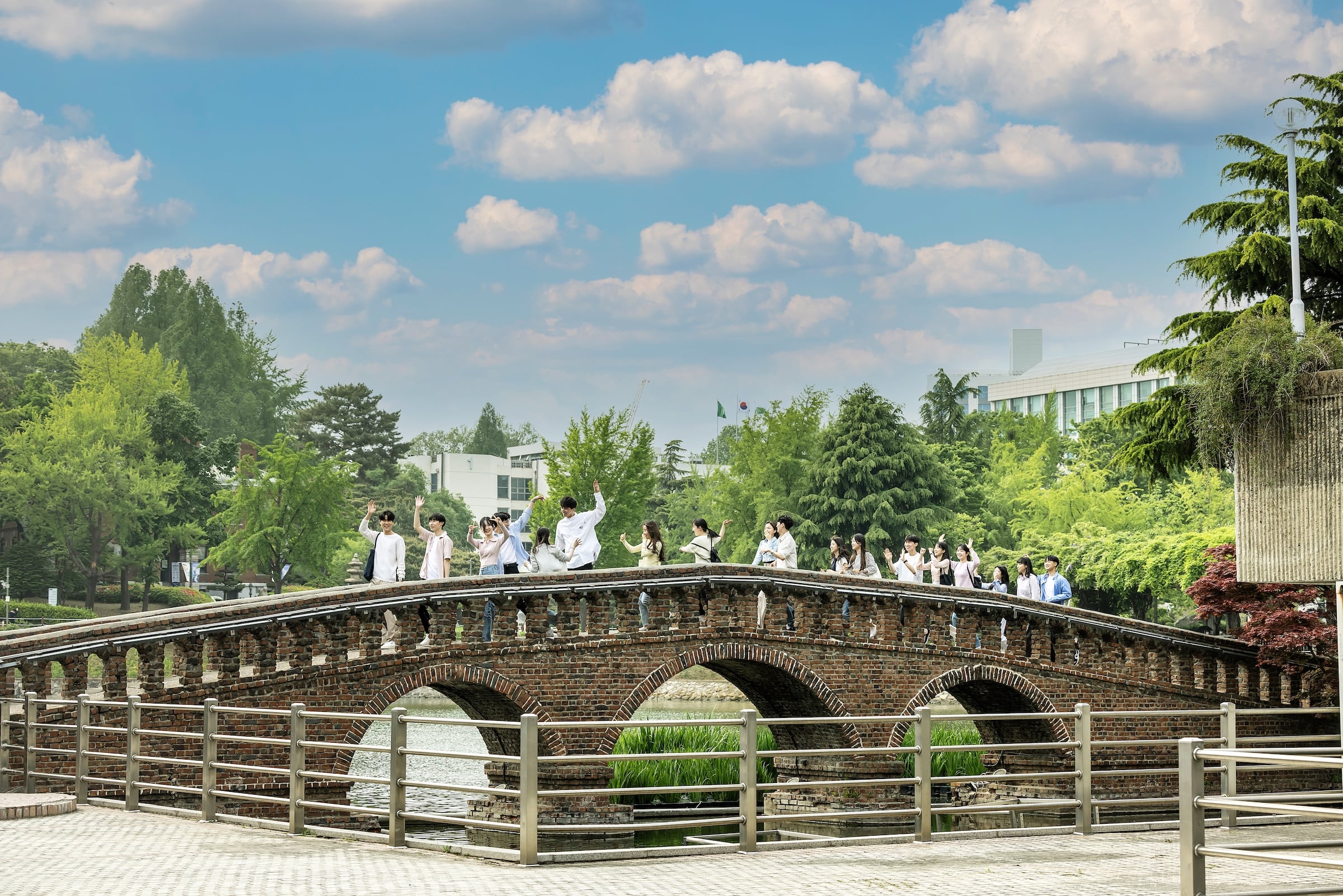
Konkuk University sits in the middle of Seoul and runs a dedicated program for exchange students and free movers. Courses are taught in English across business, economics, computer science, engineering, the sciences, psychology and international studies. The fall semester runs from September to December and the spring semester from March to June, with summer and winter schools in between. Konkuk offers guaranteed on-campus housing to international students, which takes a big worry off your list, and typically asks for a GPA of around 2.7 on a 4.0 scale.
Hanyang University, Seoul
Hanyang University is our second partner in Seoul. Its page lists the programs open to visiting students, the deadlines and the requirements, so you can compare it with Konkuk side by side and apply to both with the same profile.
What to expect in Korea
Korean universities are among the most demanding on documents and deadlines, and students tell us so in our post-experience surveys. Korea stays at the top of our list anyway. Prepare your transcript and language certificate early, read each requirement carefully, and reply quickly when the university writes. Our South Korea guide covers housing, costs and daily life, and the University Finder filtered on South Korea shows every option.
Japan
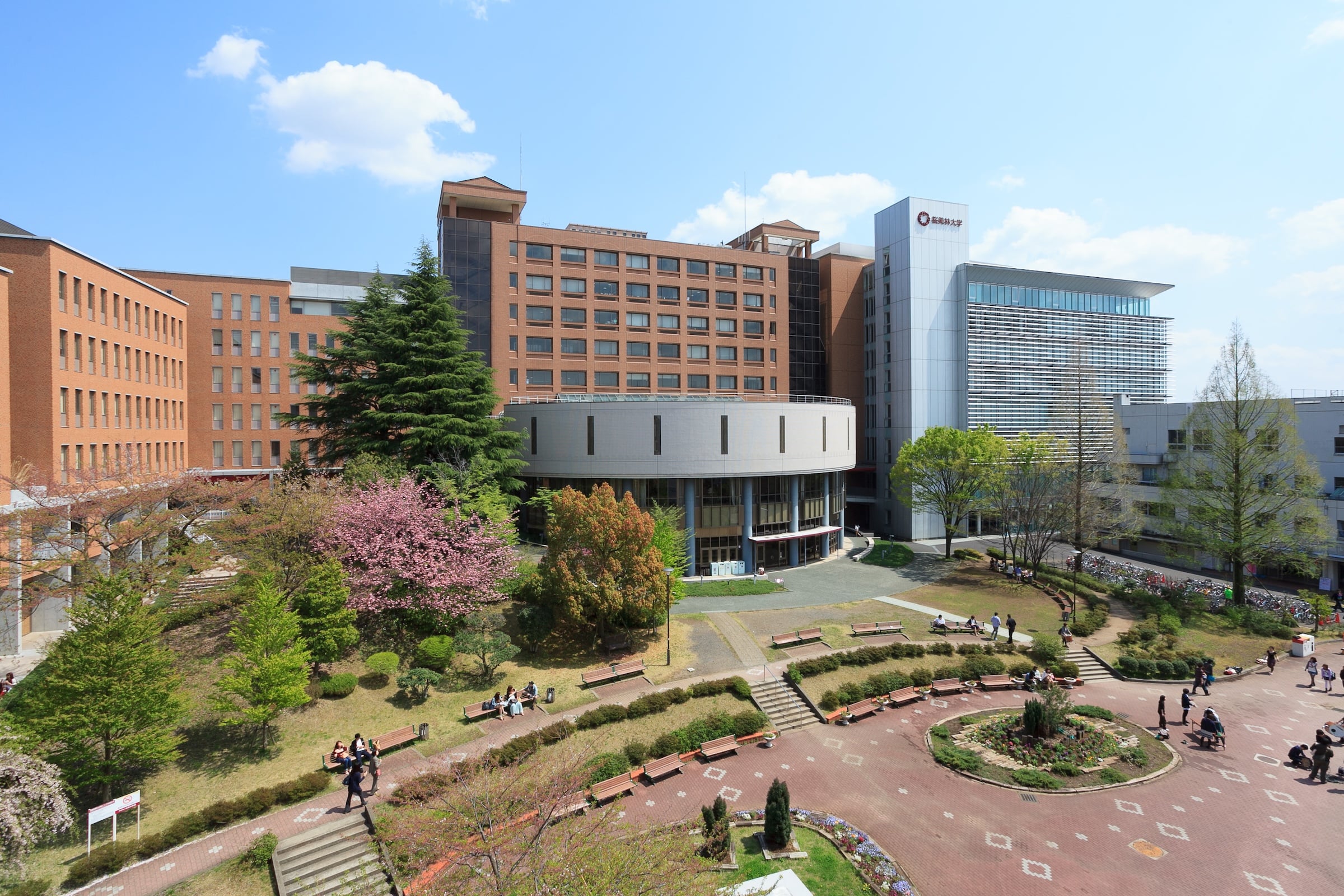
J.F. Oberlin University, Tokyo
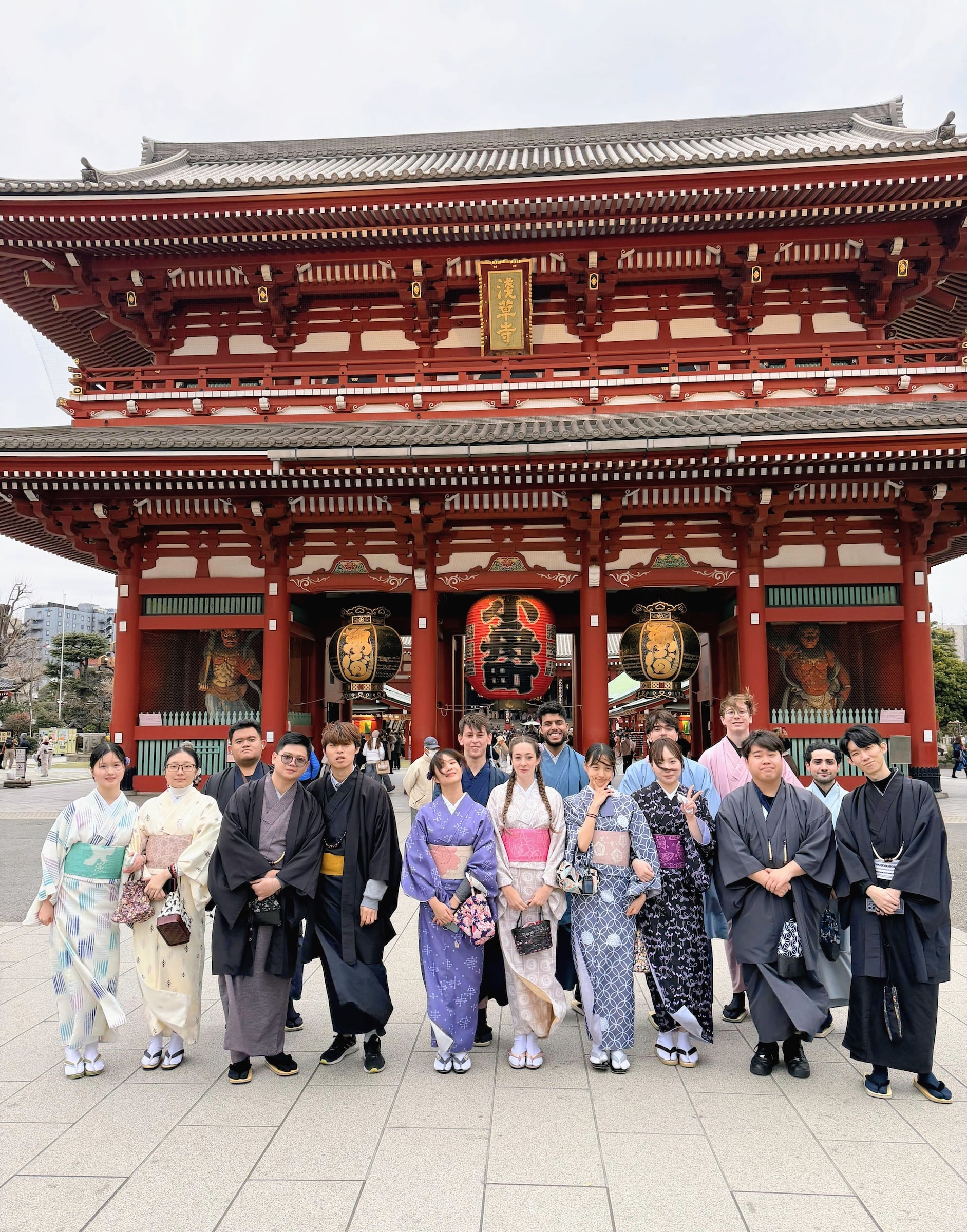
J.F. Oberlin University is a private university with campuses in Tokyo and Kanagawa, and it welcomes hundreds of international students every year. Its semester program focuses on Japanese language, Japanese culture, society and history, with courses in English and in Japanese. The fall semester runs from September to late January and the spring semester from April to late July, and there are short summer and winter sessions too. Oberlin asks for a GPA of at least 2.5 on a 4.0 scale and at least one completed year of university study.
Housing in Tokyo
Oberlin has an international dormitory, but places are limited and priority goes to students from partner institutions. As a free mover, plan to look for a room in the area around the campus, which is more affordable than central Tokyo. Start as soon as you have your eligibility notice. Our Japan guide covers the practical side of living there.
Beyond East Asia
Dubai and Tashkent
Asia is bigger than Seoul and Tokyo. In the United Arab Emirates, Hult International Business School has a campus in Dubai, a good fit for business students who want an international hub. In Central Asia, Millat Umidi University in Tashkent is one of the most unusual destinations on the platform, and that alone makes it stand out on a CV. Our guides on the UAE and Uzbekistan cover the basics.
What it costs
Moderate tuition, very different cities
Tuition at our Asian partners is moderate compared with the United States, the United Kingdom or Australia. Konkuk lists 4,800,000 KRW per semester and Oberlin 608,400 JPY. Living costs vary a lot: Seoul and Tokyo are big, expensive cities, while campuses outside the centers cost noticeably less. Each university page shows an estimated total cost for the semester, rent, food, transport and trips included, so you can compare on the real figure. Applying through wearefreemovers adds no markup on tuition and no application fee.
ℹ️ Info: Tuition figures are the ones listed on the university pages at the time of writing. Always check the university page for the current amount before you apply.
Plan your timeline
Deadlines come early
Asian universities close applications months before the semester starts. Konkuk currently lists 10 May for the fall semester and 10 November for spring. Oberlin lists 20 April for fall and 31 October for spring. If you are aiming for September, start in the winter before. The exact deadline for every program is on each university page, and our guide on the best time to apply shows how to work backwards from your start date.
Leave room for the visa
Most students from outside the region need a student visa for a semester in Korea or Japan. The university that admits you prepares the documents for the application, and the embassy or consulate decides. That process can only start after admission, so the earlier you apply, the more room you have.
⚠️ Disclaimer: We do not give visa advice. The only official source for visa requirements is the embassy or consulate of your destination country.
Sort the credits at home
Credit systems in Asia differ from ECTS, and course loads are counted in credit hours. Agree on your courses with your home university in a Learning Agreement before you leave, and use our credit converter to check how many courses you need for a full semester.
How to apply
One profile for every university
On wearefreemovers you build one profile, upload your transcript and language certificate once, and apply to Konkuk, Hanyang, Oberlin and any other partner in the same session. We check your profile against each university’s requirements and send you an eligibility notice before anything reaches them. You then confirm one university and we nominate you. The application process guide explains every step.
FAQ
Can I study in South Korea or Japan for just one semester?
Yes. Our partners in Seoul and Tokyo accept visiting students for a single semester, as long as you are enrolled at a university at home and meet their academic and language requirements.
Do I need to speak Korean or Japanese?
Not for the English-taught courses. Konkuk teaches its program in English, and Oberlin offers courses in English alongside courses in Japanese, including Japanese language classes.
When does the semester start in Asia?
In South Korea the spring semester starts in March and the fall semester in September. In Japan the spring semester starts in April and the fall semester in September, often ending in late January.
Is housing guaranteed?
It depends on the university. Konkuk guarantees on-campus housing for international students, while Oberlin’s dormitory has limited places with priority for partner students.
Do I need a visa?
Most students from outside the region need a student visa. The university provides the documents for the application, and the embassy or consulate of the destination country decides.
Ready to go abroad?
Start your free mover semester journey on wearefreemovers
Written by

Fabio Pellini
Co-Founder at wearefreemovers
Ready to go abroad?
Submit your application through wearefreemovers
Apply to high-quality, freemover vetted universities through one platform.
